If your home is cold in winter, stuffy in summer, or you're waking up to condensation dripping down your windows, you're living in a very common New Zealand situation.
A large chunk of our housing stock was built with single-glazing, and it shows. The good news is, retrofit double glazing is one of the highest-impact upgrades you can make — and you don't need to gut the place to get there.
What single glazing really costs you
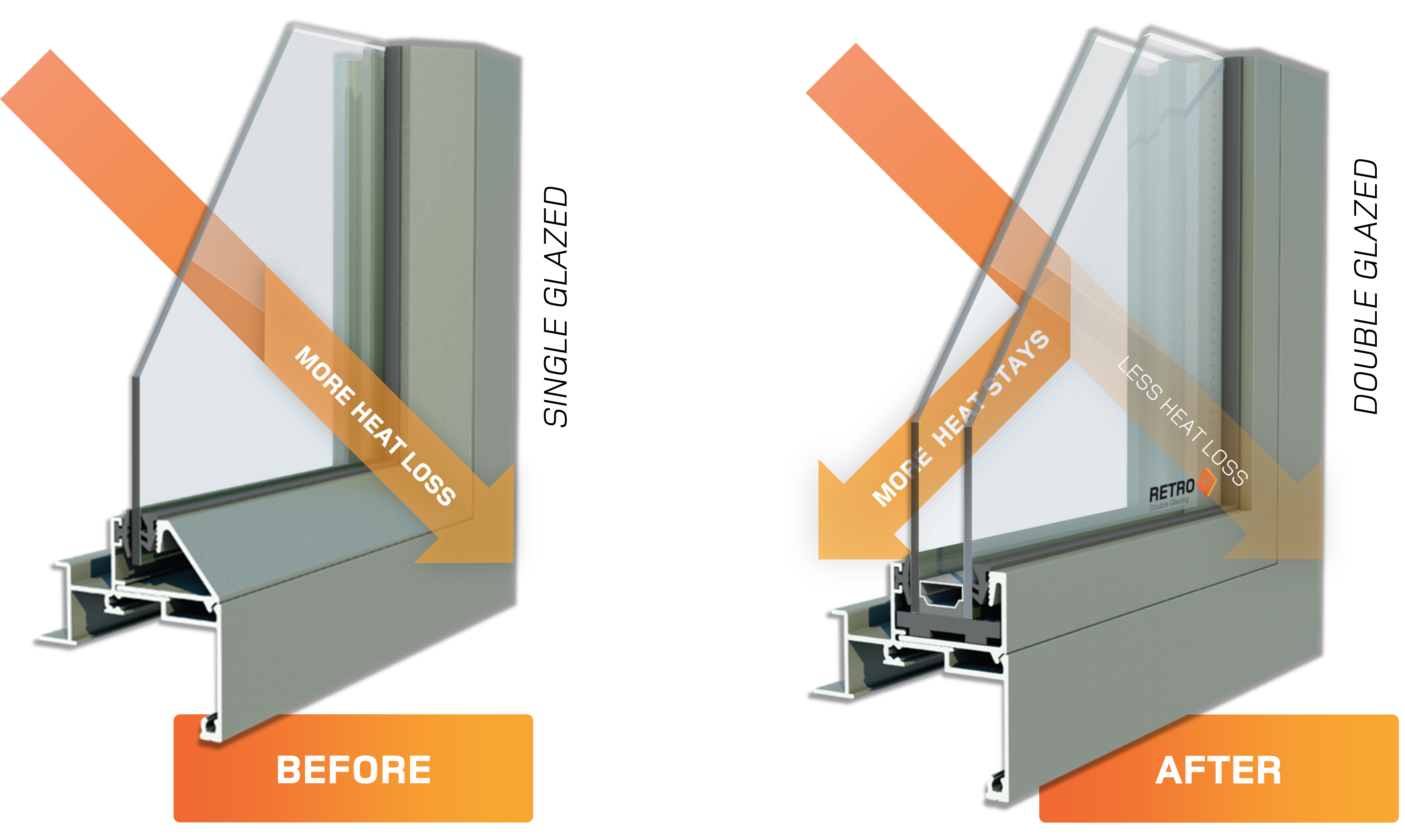
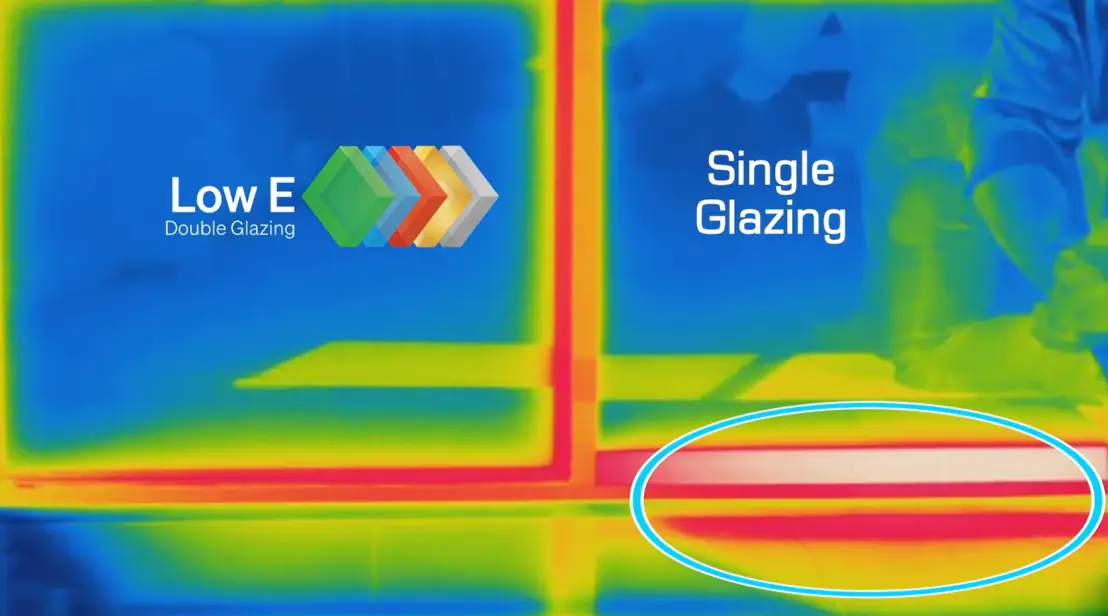
Single panes of glass do almost nothing to slow down heat moving in or out of your house. Through winter, your heater is fighting a continuous, invisible drain. Through summer, the sun beats in and the same glass that lets warmth out at night lets too much heat in by day.
You feel it in three ways: a colder house, a bigger power bill, and condensation on the inside of every window every morning.
What retrofit double glazing does
Retrofit means we replace the glass without replacing the frames. The existing aluminium or timber joinery stays — we just upgrade what's in it. That changes everything:
- Two panes of glass with an insulating gap (air or argon)
- A warm-edge spacer that stops heat shorting around the frame
- Optional Low E coatings that reflect heat back into the room
You end up with windows that feel warmer to touch on a winter night, with far less condensation in the morning, and a heater that doesn't have to work as hard.
What you'll actually notice
- Rooms hold their warmth — your heating runs less
- "Crying windows" largely disappear
- Less mould and damp around curtains and sills
- The house is quieter — double glazing cuts noise too
- Power bills drop, especially through winter
Is it worth it?
For most older Kiwi homes, yes. The payback isn't just in dollars — it's in comfort. A house that holds its warmth is a house that's easier to live in, and the difference is felt every single day.
If you're considering it, talk to a Metro Performance Glass installer about a retrofit assessment. They can look at your existing frames and tell you exactly what's possible.